Table Of Content
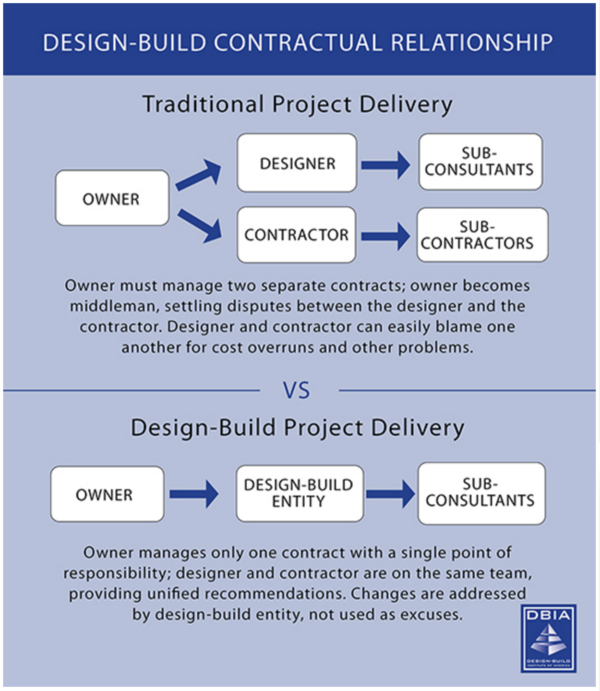
The relationship between the contractor and the designer is absolutely critical to project success in the design-build model. Once the negotiation process is complete, and both parties are satisfied with the terms and conditions, they will proceed to formalize the agreement by signing the Design and Build contract. The acceptance of the contract marks the beginning of the project, with the contractor moving forward with the final design and construction phases. In a design-build contract, most of the risks shift from the homeowner and fall on the design-build firm. Instead of the homeowner being responsible for design issues, the firm is responsible because the designer and contractor work together.
Selecting Design-Build firms
In this article, we’ll take a look at how design-bid-build compares to the other emerging construction project delivery methods, and how owners can help determine which project delivery method is best for them. This approach has existed for thousands of years, even pre-dating Hammurabi’s code. This building delivery method was originally termed the “master builder” approach and was used to construct wonders such as the Parthenon, the Great Pyramid of Giza, and the Florence Cathedral.
Contract details to include
Depending on the owner’s preference, they will either select one firm who will then choose the other members of the design-build team, or the owner will play an active role in the selection of all the firms that make up the team. To fully understand what makes design-build unique among construction delivery methods, we’ll have to look at the organization of the team. Once the design is sufficiently detailed — generally 60% or more complete — the DB contractor will submit a formal proposal to the owner with a guaranteed maximum price (GMP) for construction along with a preliminary schedule. If the owner accepts their proposal, they will either sign an extension to the original contract or create a separate contract for the construction services. Having one organization handle both aspects of the process means that “buildability” can be part of the design process from day one, and aesthetics can be a consideration in every late-phase on-site decision. All of the consultants and subcontractors are led by one firm and have one place to go for answers.
Owner Bears Brunt of Project Challenges
News Release: NREL Selects JE Dunn Construction and SmithGroup as Design-Build Contractor for Newest ... - NREL
News Release: NREL Selects JE Dunn Construction and SmithGroup as Design-Build Contractor for Newest ....
Posted: Tue, 16 Jan 2024 08:00:00 GMT [source]
Critics of the design–build approach claim that design–build limits the clients' involvement in the design and allege that contractors often make design decisions outside their area of expertise. Then the Owner uses their preferred selection criteria to identify 3–5 of the most qualified bidders to submit technical proposals. This competitive selection process is just one reason why Owners are more likely to report high-satisfaction with design-build projects.
Our ultimate goal is to create environments that inspire while also delivering measurable results. We’ve got big plans and strategic goals in place for the next three years to build on design-build’s rapid growth and infrastructure investment coming nationwide. We discuss the impact and future of women in the AEC industry and how design-build is well-situated to support and elevate women. With over 20 years of experience creating optimal environments, we have the expertise to help with your next project. In addition, several large sinkholes were uncovered and made worse by the excessive rains. In response, the team had to quickly relocate some of the geothermal wells and add sinkhole remediation into the project schedule.
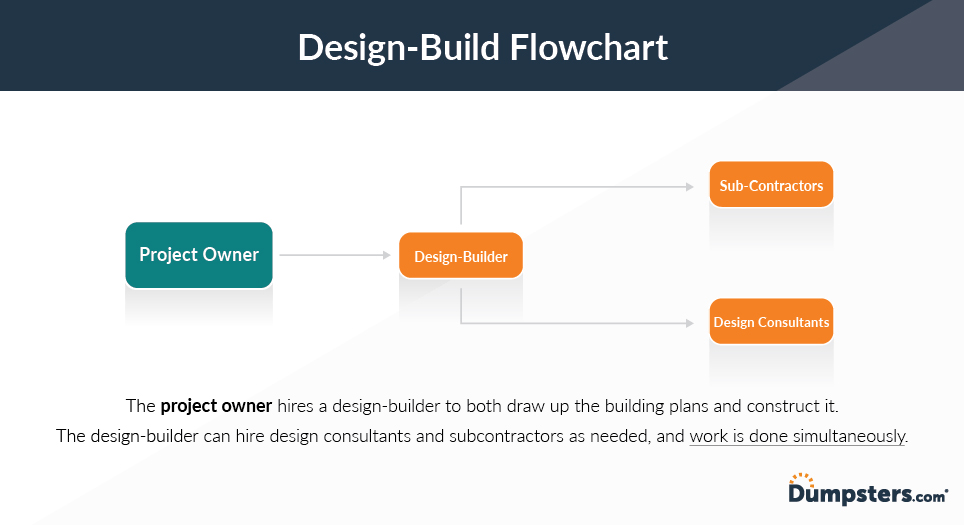
As we covered in the Design-Build process section, Design-Build offers rapid delivery because design and construction happen concurrently and because there’s only one selection phase instead of two. At this stage, your project team has a solid understanding of your business and financial needs, project schedule, cost, jobsite and your facility’s architectural and mechanical requirements. Next, your construction team and project managers partner with the architectural team to value engineer cost savings into the design.
According to the “Design-Build Utilization” report, the DB method is becoming more popular, with over half or 58% of owners planning to use it in the coming years. Because of its advantages over the traditional DBB method, it’s now permitted for public agency projects in 43 states, including New York, Virginia, and Washington. Post-construction involves the design-build team conducting a post-construction review to ensure the project meets the client’s needs, specifications, and quality standards. This final step assures all the other steps were done correctly and up to the necessary quality. The contractor executes the build, overseeing day-to-day site activities and hiring and overseeing subcontractors.
Design-Bid-Build Project Delivery: What It Is & When to Choose It
Top 90 Design-Build Construction Firms for 2023 - Giants 400 Rankings - Building Design + Construction
Top 90 Design-Build Construction Firms for 2023 - Giants 400 Rankings.
Posted: Thu, 08 Feb 2024 08:00:00 GMT [source]
The contract can be between the owner and either the architect or the contractor; increasingly, both architect and contractor belong to a single design-build firm, which the owner contracts to complete the project. D&B contracts save time and money by combining design and construction project delivery into a single contract [6]. The construction begins before the final design is completed, reducing the project’s overall duration. With its roots in the Master Builder values of quality, cost, and design, design-build construction is a tried and true approach to project delivery. Since the 1970s, design-build has been a growing alternative to traditional design-bid-build methods and construction-manager-at-risk.
A recent study by the Construction Industry Institute compared 350 projects with varying project delivery methods. They found that design-build projects were completed more quickly and cost less than the two other leading project delivery methods, design-bid-build and construction manager at risk[ii]. Design-build is a project delivery method that combines the designing and construction of a project under a single contract. Its collaborative approach ensures a project’s success by involving the client, design-build team, and other stakeholders from start to finish. The design-build process is a project delivery method that involves designing and constructing a project under a single contract.
Design and Build is a relatively low-risk procurement option for the employer in terms of cost and time [3]. The contractor assumes responsibility for completing the design and carrying out the works, which can prevent disputes between a contractor and a designer. We push the boundaries of possibility for project design and construction, providing advocacy and support to further the cause. By attracting professionals who harness change, we inspire innovative design-build thinking and create long-lasting industry impact.
So every project done using traditional construction methods has considerable potential for delay. Coordinating across multiple companies, each looking at its own bottom line, can also lead to miscommunications or, worse, confrontations. The owner then puts the project up for contractor bids and chooses the optimal construction team. On public projects, the invitation to bid extends to any qualifying contractor registered to work on government projects. For private projects, the owner decides whether to swing the doors open for anyone to bid or limit bids to a few known contractors. Design-Build offers many unique benefits and advantages that other construction methods simply don’t deliver.
An employer can minimise risks by carefully preparing comprehensive employer requirements and thoroughly evaluating the contractor’s proposal before accepting it. A Design and Build contract is a procurement route in which the main contractor is appointed to both design and construct the works described in the contract. There are various types of D&B contracts, but they all involve the contractor being responsible for completing the design and carrying out the work. The price and payment structure of the contract is typically based on a lump sum with interim stage or periodic payments [5]. We make access to our resources simple and share trends so you can stay on top of emerging opportunities in the field.
Unlike a design-bid-build or construction manager at risk scenario, the project was designed with input from the construction team. And having a solid plan gives the team more bandwidth to deal with the inevitable, unforeseen challenges that can arise once construction kicked off. Unlike with the design-bid-build project approach, your project will benefit from having the input of the architect, builder, and any specialty subcontractors during this stage. This will lead to more accurate drawings, reducing the risk of constructability issues and change orders down the road. During the team selection phase, the owner will choose the firms that will make up their design-build team.
On long, involved projects, the opportunity for concurrent building and design can save months or years off a project's schedule. With the increase in state and local government backing, it’s no surprise that 43 states now have full or widely permitted authorization to utilize design-build for public agency projects. Previously thought of as the project “alternative method,” design-build is quickly becoming a project standard for delivery.
When researchers at FMI first looked at design-build utilization in 2018, the news confirmed what many in the industry knew first-hand, design-build wasn’t an “alternative delivery process” anymore. The latest market analysis forecasting through 2026 shows that is especially true today as impressive design-build growth will continue, despite unprecedented COVID-19, supply chain and labor shortage challenges. Though relationships are fundamentally different between the two models, the steps involved in the project process look fairly similar. Let's look at the steps involved in the design-build process, its key advantages, and how it fits into the future of construction. If you want to launch quickly, you might consider paying someone to design a website for you. Although this can save you time and energy, it typically comes at an extra cost.
Progressive design-build is highly collaborative, and the owner is generally highly involved in estimating and budgeting discussions. During the initial phase of the contract, the design-builder shares transparent cost information with the owner as the budget is developed. The owner and DB firm want to reach an agreement on the construction phase, so cost transparency helps reduce disagreements or disputes during the budget negotiation. It requires that the architects learn more about construction and expand their expertise.




No comments:
Post a Comment