Table Of Content
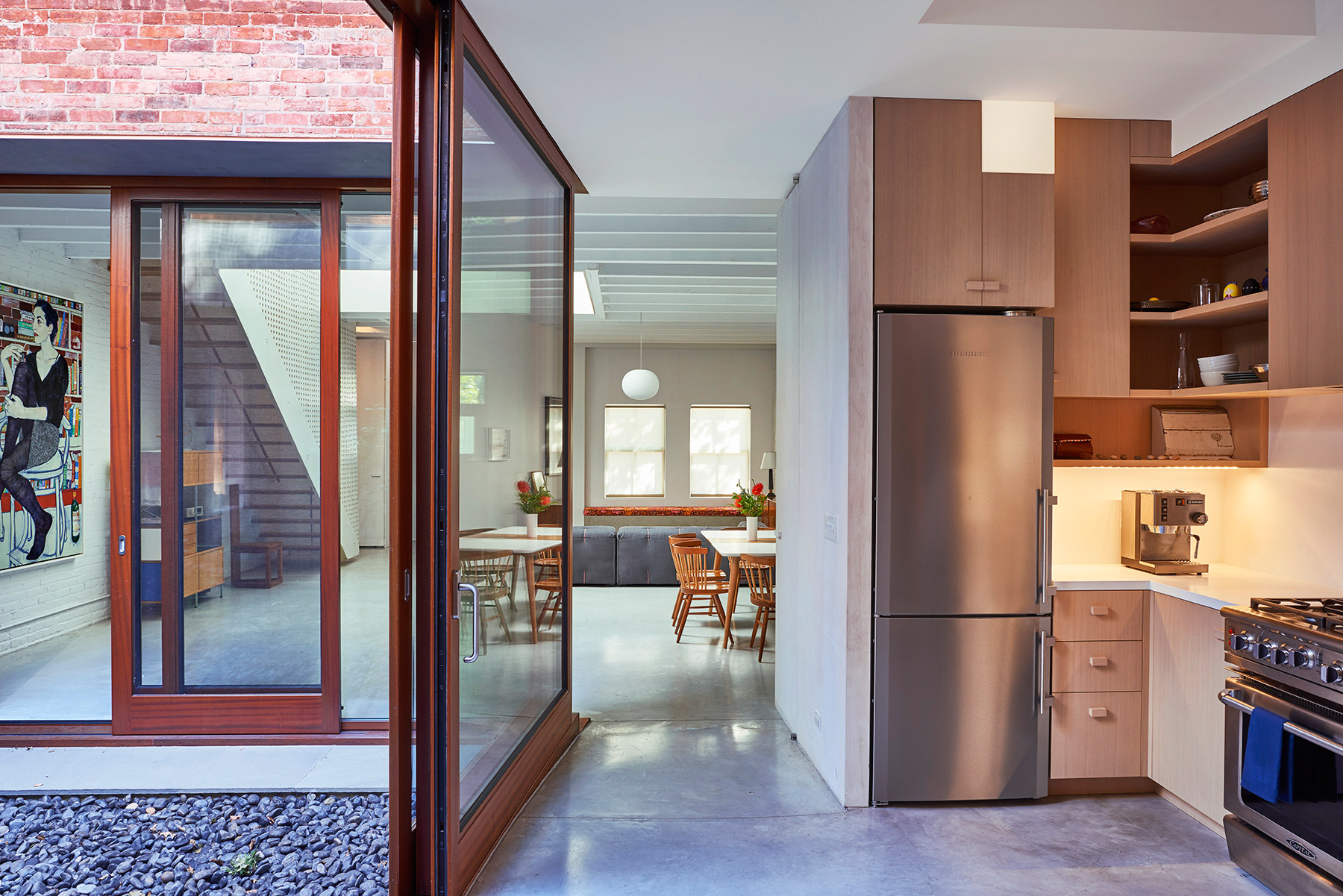
After your waiting period is over, consider reviewing and enhancing your site at least once a quarter to ensure that you’re up to date with SEO best practices. This will also allow you to provide the most relevant and up-to-date information for your consumers to reference, elevating their user experience. You’ve done it—you’ve learned how to design a website, you’ve refined your web page design and now you’re ready for launch. The crawling and indexing process can take anywhere from a few days to a few weeks, so our experts recommend waiting at least a month before making any major changes or updates.
Implementing the design-build method
Hospital site announced; Valencia County commission approves healthcare facilities contract, design-build team - Valencia County News Bulletin
Hospital site announced; Valencia County commission approves healthcare facilities contract, design-build team.
Posted: Thu, 25 Apr 2024 12:07:08 GMT [source]
SNC-Lavalin Group also suffered losses and has stopped bidding on lump-sum construction projects. Therefore, taking note of what can be encountered can help you, as a contractor, know when to use it and when not to. With design-build, a single team completes the project, minimizing miscommunication, errors, and conflicts. That ensures that the construction crews use the proper materials and techniques and that the final product meets the client’s needs and specifications.
Highway and Bridge Construction
The second stage of the Rail Baltica Control-Command and Signalling subsystem Design and Build procurement has ... - Baltic Times
The second stage of the Rail Baltica Control-Command and Signalling subsystem Design and Build procurement has ....
Posted: Mon, 29 Apr 2024 13:05:03 GMT [source]
Alex Six is a Mid-Market & Majors Civil & Infrastructure Overlay Account Executive for Procore. His resume includes Caltrans highways & bridges, Metro light rail & underground, as well as airport runways and utilities. The level of collaboration between contractor, designer, and builder can potentially lead to a more efficient, optimized, and quality final project. However, it can also lead to more risk for the design-build, who is bidding on an as-yet-designed project. Even with the right project contract, team and guidelines in place, you don’t necessarily have all the tools to complete a successful project.
Design-Build: Quickly Becoming the Top Project Delivery Method
The price for the entire project is set during the contractor selection process. On a PDB project, the owner has a single contract with the design-builder who provides both design and construction services, streamlining communication throughout each phase of the project. A design-build contract is a type of construction contract in which the design and construction services are provided by the same entity – the design-build firm. This type of contract is often used in larger, more complex projects and can include specific performance requirements, project milestones, and payment schedules. Traditional construction involves dividing the project into separate stages, with each stage of the project management completed by a different team or contractor.
In fact, the consideration of these factors has been shown to drive down cost, since they ensure that the team is reliable and produces quality work; something that is virtually impossible to decipher from contract price alone. Design-build can be used on projects of any size and type, and there are myriad examples of design-build project successes of all sizes. Further, nearly 80 percent of U.S. states grant local governments authority to use design-build on their small, local projects. Even when a larger project is procured as a design-build project, smaller firms often band together to create a project team that is more able to handle the demands of a larger project. Project changes can lead to significant turmoil when multiple parties are involved under separate contracts, as each tries to shift the responsibility and increased costs off to the others.
Known for its high levels of collaboration between the project team (design and construction) and the Owner, this method outperforms its counterparts regarding higher quality, quicker delivery, cost efficiencies, and reduced risk. If there are mistakes during the design or construction process, they should be resolved by the Design-Build team rather than the owner, making the firm liable for any miscalculations or delays. This puts your finances at risk because you, as the contractor, absorb the budget overages from construction reworks rather than the client. If you’re a contractor whose primary experience has been in the traditional delivery method, the single point of responsibility can be a challenge. A design-build firm is a company that provides both design and construction services for a project.

In fact, your Design-Builder will start readying your jobsite while design progresses, and elements of construction can begin during the design phase. By overlapping construction and design, your project team can deliver a timely build that makes aggressive schedules possible. You’ll still have a construction team, specialty subcontractors, materials vendors and all the same quality standards as you would in other methods. But the job will get done more quickly, to a clearly defined scope with total accountability. In design-build construction, an owner enters into a single contract to cover both the architectural design services and the physical construction of the build, streamlining the collaboration, communication, and coordination process. Throughout the entire building process, the owner has a single point of contact for questions and collaborative input.
DBIA has ensured that design-build remains in the industry’s lexicon by defining, teaching and promoting the process at every opportunity we have. The term is now the accepted way to reference a single-contract, team oriented and collaborative approach to delivering projects and has since been written into legislation, submitted as testimony and used throughout the industry. Because the primary focus is price, there is little incentive to truly collaborate with local firms. In preparing to pursue a project, a design-builder needs to build a team that inspires confidence in the owner that all the project needs will be met.
By contrast, design-bid-build opportunities are open to a wider selection of designers and contractors – that competitive building opportunity can drive down prices and introduce owners to a new selection of builders. Because design-build melds together the design and construction phases under a single contract, the construction team can begin work before all designs are finalized. Designers remain a part of the process throughout the project and can continue to make changes as needed. No matter which project delivery approach you choose, cloud-based construction management software involves all relevant stakeholders at the right stage and keeps everyone in the loop at all times.
Owners must consider a design-builder's previous experience and qualifications to complete similar projects successfully. Budget and schedule are always significant factors for contractor selection, but owners need to move beyond those factors to choose a team that can help them reach their goals with the project. During closeout, the contractor will review the project with the owner and provide any documentation the owner requires. Because all paperwork and documentation live with a single design-build team, closeout can be quicker and more straightforward than with traditional design bid build methods. The design-build method is most often understood by comparing it with the more traditional design-bid-build method, which involves an owner entering into two main contracts.
Contractors will use the bidding phase to research materials and labor costs, equipment needs, project the overhead costs they'll incur, and solicit subcontractor bids to help determine project costs. When adjustments are needed, each subcontractor or team has to decide how best to do so within the context of timeline, budget, materials and the surrounding processes. Even if they try their best, they often miss the mark on the most effective course corrections.
However, the project owner should carefully consider the specific needs and risks before choosing this procurement method. Contract negotiation is a crucial step in the Design and Build procurement process, as it ensures both the employer and the contractor reach a mutual understanding and agreement on the terms and conditions of the project. This phase involves discussing and refining various aspects of the proposal, including design, cost, timeline, and responsibilities. In today’s competitive environment, the need for collaboration among all project team players is more important than ever. In 1993, a handful of the nation’s architectural, engineering and construction (AEC) industry leaders got together because they knew there had to be a better way to bring a project from design to delivery. They didn’t invent the design-build process, but they set about to perfect it and to share it with a wider audience.
While both DB and DBB are old and well-known project delivery methods, their approaches to the relationships between stakeholders, the input each has on construction, and the risks they take on in a project are quite different. The single contract used should be fair, balanced and clear, and should foster team-wide collaboration throughout the entire design and construction process. Usually, contractors are responsible for writing the contract, considering they will be managing both design and construction.
Design and build can be seen as giving a single point of responsibility for delivering the entire project. Some clients, however, consider it is only appropriate for simple projects, where design quality is not the main consideration. Design and build is a procurement route in which the main contractor is appointed to both design and then construct the works described in the contract. This is as opposed to the traditional procurement route, in which the client first appoints consultants to design the development and then a contractor is appointed to construct the works. Do you have questions about design-build contracts and want to speak to an expert?




No comments:
Post a Comment